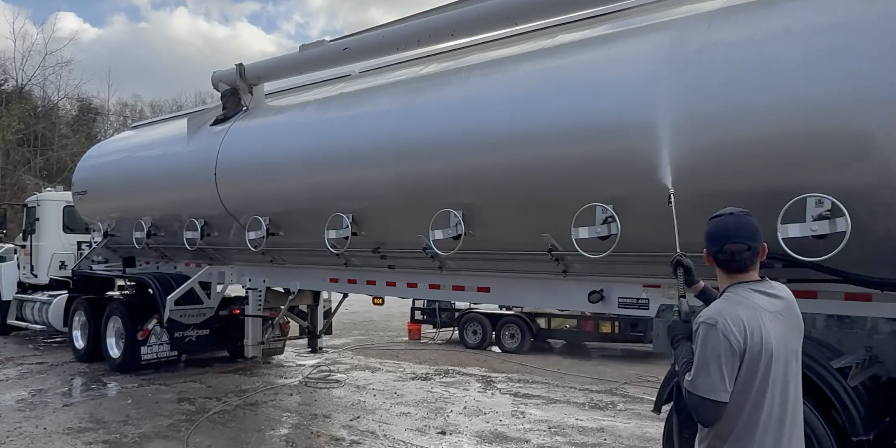
Fleet washing is one of those maintenance tasks that often gets pushed back because a dirty truck still runs. But appearance is only part of the issue. Dirt, road film, grease, mud, and winter salt can stay on the surface longer than they should, and over time that can affect corrosion risk, inspection readiness, and how customers view your business. From there, the schedule should be adjusted based on exposure, season, vehicle type, and how visible the fleet is in daily operations.
The Practical Answer for Most Fleets
For many fleet managers, the most workable answer is simple: start with bi-weekly washing, then move to weekly if your vehicles deal with heavier buildup, stricter cleanliness standards, or daily customer-facing work. That schedule works because it catches dirt before it becomes stubborn. It also helps avoid the common cycle where vehicles go too long without service, then need longer, more expensive cleaning sessions to get back into shape. In my view, that is where most wash programs go wrong. They are treated like optional appearance work instead of routine asset care.
Why Wash Frequency Matters More Than Many Managers Think
A fleet wash schedule is not just about keeping paint shiny. It affects how vehicles age, how staff view equipment, and how your company looks pulling into a customer site. When buildup stays on a vehicle too long, it can trap moisture and contaminants around lower panels, frames, and exposed metal. Guidance and technical bulletins tied to road salt and underbody maintenance note that significant salt residue should be removed with undercarriage washing because leftover salt can contribute to corrosion problems over time. Regular fleet washing also helps with day-to-day safety and professionalism. Cleaner mirrors, lights, reflective markings, and windows are easier to inspect and easier to use. That matters for vehicles that spend long hours on the road or report to customer properties where first impressions count.
A Good Starting Schedule by Fleet Type
The best schedule depends on how the vehicles are used, not just how many you have. A ten-vehicle construction fleet may need washing more often than a fifty-vehicle office support fleet.
Here is a practical breakdown most managers can use as a starting point:
| Fleet Type | Suggested Starting Schedule | Why It Often Works |
| Long-haul trucking | Weekly | Highway film, bugs, fuel residue, weather exposure |
| Delivery and distribution | Every 1–2 weeks | Daily mileage, branding visibility, mixed route grime |
| HVAC, plumbing, electrical vans | Every 2 weeks | Customer-facing appearance, moderate buildup |
| Construction and heavy equipment | Weekly or more | Mud, dust, concrete, jobsite debris |
| Waste and sanitation | Multiple times per week or weekly | Odor, sanitation, heavy contamination |
| Food and beverage transport | Weekly | Cleanliness expectations, inspection readiness |
| Municipal and utility fleets | Weekly or every 2 weeks | Public visibility, varied route conditions |
| Indoor-stored or light-use fleets | Monthly | Lower exposure, lighter buildup |
This kind of table is a starting point, not a fixed rule. A plumbing van driving clean suburban routes is different from one driving muddy new-build sites every day. Same fleet type, different wash need.
Weekly Washing: When It Makes the Most Sense
Weekly washing is the right fit when vehicles collect heavy soil fast or when appearance matters almost every day. This is common in trucking, waste hauling, construction, food transport, and public fleets.
It also makes sense in winter or in areas where vehicles pick up road treatment residue. Road salt is one of the clearest reasons to wash more often, especially underneath. Technical guidance from NHTSA-related service bulletins repeatedly recommends undercarriage washing when salt residue is present, which supports a tighter wash interval during winter operations.
Bi-Weekly Washing: The Sweet Spot for Many Fleets
For a lot of service fleets, bi-weekly washing is the best balance between cost and consistency. It keeps vehicles presentable, removes normal buildup before it gets baked on, and is easier to budget across a larger group of units.
This schedule often suits delivery fleets, service vans, rental fleets, and mixed-use commercial vehicles. It is especially practical when you also do light spot cleaning between full washes. Bugs on the front end, grime around fuel areas, dirty wheels, and rear-door fingerprints can make a vehicle look neglected faster than the rest of the body does.
If you are unsure where to begin, bi-weekly is usually the safest baseline. It gives you enough data after a month or two to decide whether you should tighten the cycle or loosen it.
Monthly Washing: When It Can Work and When It Usually Fails
Monthly washing can work, but only under the right conditions. Vehicles need to be lightly used, stored indoors or in cleaner settings, and exposed to less dirt, salt, grease, or jobsite debris.
The problem is that many fleets choose monthly washing for budget reasons even when the vehicles are clearly getting dirty much faster. That usually leads to two issues. First, the vehicles stop representing the brand well. Second, the cleaning becomes harder each visit because grime has had more time to stick.
A monthly plan is better suited to backup vehicles, low-mileage support units, or executive fleet vehicles that are not operating in harsh conditions every day. Even then, spot cleaning should still happen in between.
Five Real Factors That Should Set Your Wash Frequency
A wash schedule should be built around actual exposure. That sounds obvious, but many companies still choose frequency based on guesswork or habit.
- The first factor is route condition. Highway miles bring bugs, road film, and diesel residue. Industrial zones bring dust and pollutants.
- The second factor is season and weather. Winter road treatment is a major issue because salt and de-icing chemicals stay on underbodies and metal surfaces. Summer may bring bugs and baked-on film.
- The third factor is inspection or cleanliness standards. Some sectors face stronger expectations than others. Food transport, sanitation, municipal fleets, and safety-sensitive operations often need a cleaner standard than general service fleets.
- The fourth factor is vehicle design. Flatbed trucks, trailers, tankers, buses, garbage trucks, pickups, and vans all collect dirt differently.
- The fifth factor is brand visibility. If the public sees your fleet every day, that alone can justify a tighter schedule.
What a Strong Fleet Wash Plan Should Include
A fleet wash program should be more than a quick spray-down. If you only rinse visible panels, the areas that create the most trouble are often left behind.
A solid plan usually includes body washing, wheel cleaning, lower panel attention, and undercarriage rinsing when needed. Those lower sections collect the heaviest buildup and are often where corrosion trouble starts. In winter or muddy conditions, underbody cleaning becomes especially important because salt and grime collect where drivers rarely notice them.
Depending on the fleet, it may also include trailer washouts, bus interiors, compartment cleaning, tanker exterior care, and basic service records.
A Simple Way to Choose the Right Starting Schedule
If you manage a fleet and need a decision today, use this simple approach. Start with bi-weekly washing for most units. Watch how the fleet looks and how much buildup is present right before the next wash. If vehicles already look heavily soiled by day five or six, move them to weekly. If they still look reasonably clean after two weeks and operate in mild conditions, you may keep them there. Only move to monthly when usage is light and exposure is low. It is a mixed program. Customer-facing vans may be washed weekly, warehouse support pickups bi-weekly, and backup units monthly.
Common Mistakes Fleet Managers Make
One of the biggest mistakes is waiting until the vehicles look bad. By that point, soil has often built up on wheels, lower panels, hinges, steps, or underbodies for too long. Another mistake is treating all vehicles the same. A box truck running clean city routes does not need the same plan as a dump truck or utility unit working in mud and gravel. The third mistake is ignoring seasonality. Winter should often mean tighter intervals because road salt is a real threat to exposed metal and brake-related components when residue is not removed. The last mistake is focusing only on cost per wash instead of total cost over time. Less frequent washing may look cheaper on paper, but it can mean tougher cleaning, rougher vehicle appearance, and more long-term wear.
When Professional Fleet Washing Makes More Sense Than In-House Washing
Some companies try to handle washing in-house, and that can work for very small fleets. But once the number of vehicles grows, it often becomes inconsistent. Water access, labor time, runoff control, and after-hours scheduling all get harder to manage.
Professional fleet washing is often a better fit when the fleet needs regular service, undercarriage attention, records, or minimal downtime. That is especially true for businesses in Chattanooga, Cleveland, Ooltewah, Dalton, or other Southeast Tennessee and North Georgia service areas where fleets may deal with humidity, road grime, pollen, rain, and mixed urban-jobsite routes through the year.
Keep Your Fleet Looking Sharp With a Consistent Wash Program
A clean fleet is easier to inspect, easier to present, and easier to maintain over the long run. For most operations, weekly or bi-weekly washing is the right place to start, then adjust based on route conditions, weather, vehicle type, and customer visibility. QualityPRO Power Washing provides dependable exterior cleaning services for commercial properties and fleets across Chattanooga and nearby service areas, helping businesses keep vehicles cleaner, more professional, and better cared for throughout the year.
Get Professional Fleet Washing Services
Keep your fleet cleaner on the right schedule with service plans built around vehicle use, exposure, and appearance needs.
Get a QuoteFAQs
How often should a commercial fleet be washed?
Most fleets do well with weekly or bi-weekly washing. Weekly is better for heavy exposure, public-facing vehicles, and winter conditions. Bi-weekly works for many service and delivery fleets, while monthly usually fits only light-use vehicles in cleaner environments.
Is weekly fleet washing too much?
No. Weekly washing is common for trucking, construction, sanitation, and food transport fleets that collect grime quickly or represent the business every day. It helps remove buildup before it becomes harder to clean and more likely to affect vehicle condition.
Does washing a fleet help reduce corrosion risk?
Yes, especially when the wash plan includes undercarriage rinsing during winter or after exposure to salt and mud. Removing road salt and residue early can help lower long-term corrosion problems and keep vehicles in better shape.
Should all vehicles in the same fleet follow one schedule?
Usually no. It is often better to group vehicles by exposure and visibility. Customer-facing vans, long-haul units, backup trucks, and jobsite vehicles often need different wash frequencies based on how they are actually used.
What should be included in a fleet wash plan?
A good plan should include exterior washing, wheel and lower-panel cleaning, and undercarriage rinsing when conditions call for it. Some fleets also need trailer washouts, compartment cleaning, or service documentation to keep maintenance records organized.

by QualityPRO Power Washing in

Best Way to Clean Windows (Complete Guide 2026)